


Government Calls for Stronger Private Sector Collaboration to Reduce Healthcare Costs
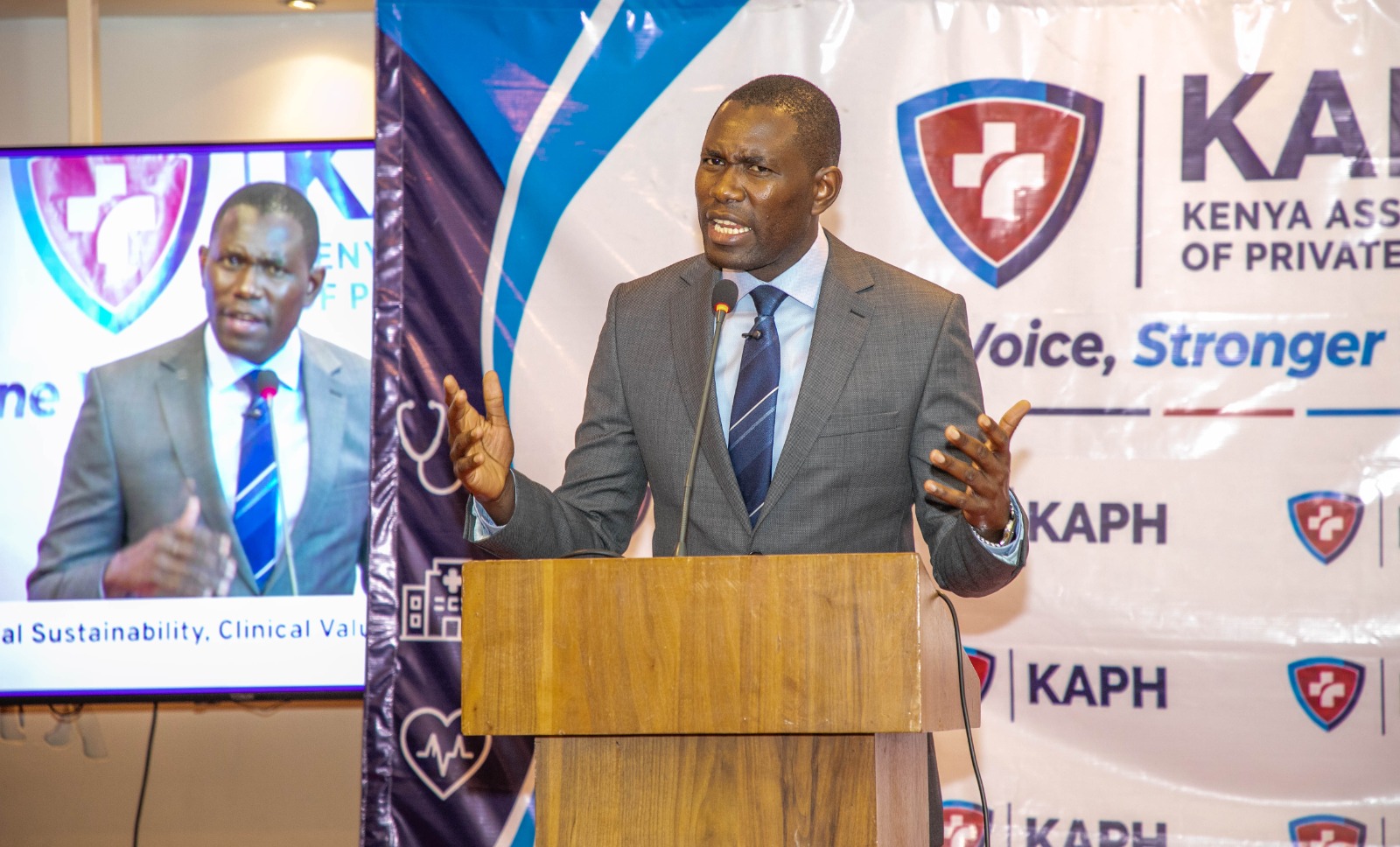
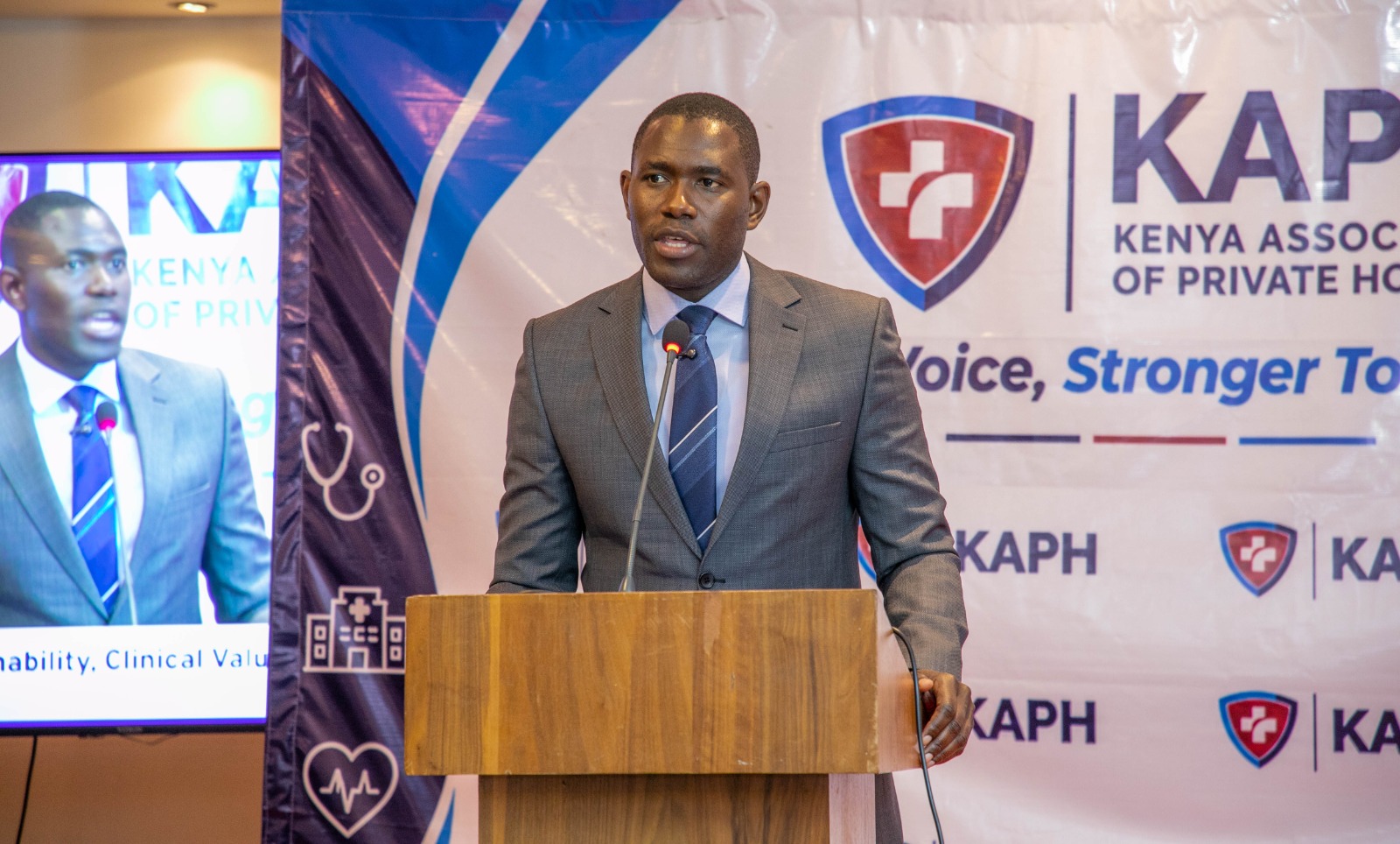
Nairobi, Kenya - The Principal Secretary for Medical Services, Dr Ouma Oluga, has called on private healthcare providers to strengthen collaboration with the Government in implementing health sector reforms aimed at reducing the cost of care, improving service quality and building a more resilient healthcare system.
Speaking during the 5th Annual Convention of the Kenya Association of Private Hospitals (KAPH) in Nairobi, held under the theme “Cost of Care: Understanding the Drivers, Navigating the Future,” Dr Oluga emphasised the critical role of private healthcare providers in advancing Taifa Care and Universal Health Coverage (UHC). He noted that the high cost of healthcare continues to place a heavy financial burden on households, forcing some families to organise fundraisers, sell property or abandon treatment. He stressed that improving quality is essential to reducing costs, as delayed diagnoses, preventable complications and inefficient service delivery increase healthcare expenditure. “Poor quality is the most expensive thing in any health system,” he said.
The PS underscored the importance of translating Government policies into tangible improvements in patient care, calling on private hospitals to support the implementation of the Social Health Insurance Act, Primary Health Care Act, Digital Health Act and Facility Improvement Financing Act. He highlighted progress in health financing reforms, citing an increase in health insurance coverage from 26 per cent to 40.3 per cent within two years. He further urged private hospitals to develop transparent benefit packages aligned with Social Health Authority (SHA) arrangements to enable patients to understand covered services and any additional costs.
To improve affordability, Dr Oluga encouraged private healthcare facilities to explore opportunities to procure medicines through the Kenya Medical Supplies Authority (KEMSA), while highlighting ongoing Government engagements with pharmaceutical manufacturers to secure more competitive prices. He also outlined plans to strengthen pharmaceutical supply chain accountability through mandatory compliance with GS1 coding standards by. The PS emphasised the need to accelerate digitisation of public and private health facilities through Health Management Information Systems (HMIS) to improve transparency, planning, procurement and evidence-based decision-making.
Dr Oluga further called for increased investment in local manufacturing of health products and technologies to strengthen health security, create employment and support economic growth. He noted Kenya’s efforts towards attaining World Health Organization Maturity Level 3 in pharmaceutical regulation to enhance confidence in locally manufactured products and expand access to international markets. On outstanding claims inherited from the National Health Insurance Fund (NHIF), he acknowledged concerns raised by private hospitals and reaffirmed the Government’s commitment to settling verified obligations, noting that verified claims below KSh 10 million had already been paid.
The PS reaffirmed the Government’s commitment to sustained engagement with private healthcare providers to deliver affordable, accessible and quality healthcare for all Kenyans. The convention was attended by SHA Chief Executive Officer Dr Mercy Mwangangi; KAPH Chairperson Dr Eric Musau; Dr Nancy Njeru, Director of Healthcare Financing, Digital Health, Policy and Research Standards; members of the KAPH Board and Secretariat; and representatives of the Digital Health Authority, private health insurers, health regulatory bodies and development partners.