
Kenya Calls for Stronger African Commitment to Malaria Elimination
African countries have been urged to strengthen domestic financing, expand local manufacturing of essential health products and enhance regional cooperation to accelerate malaria elimination amid declining international support.
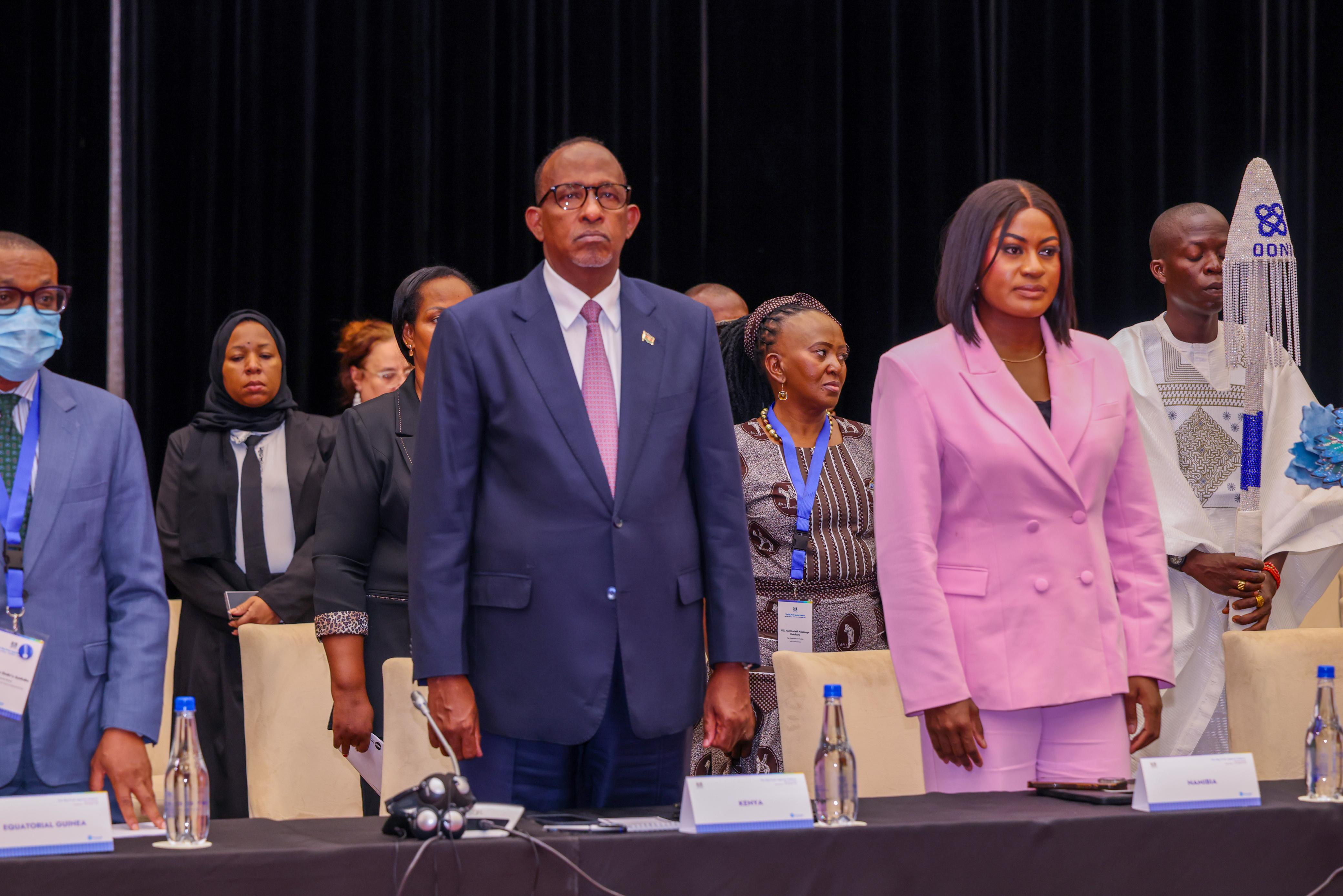
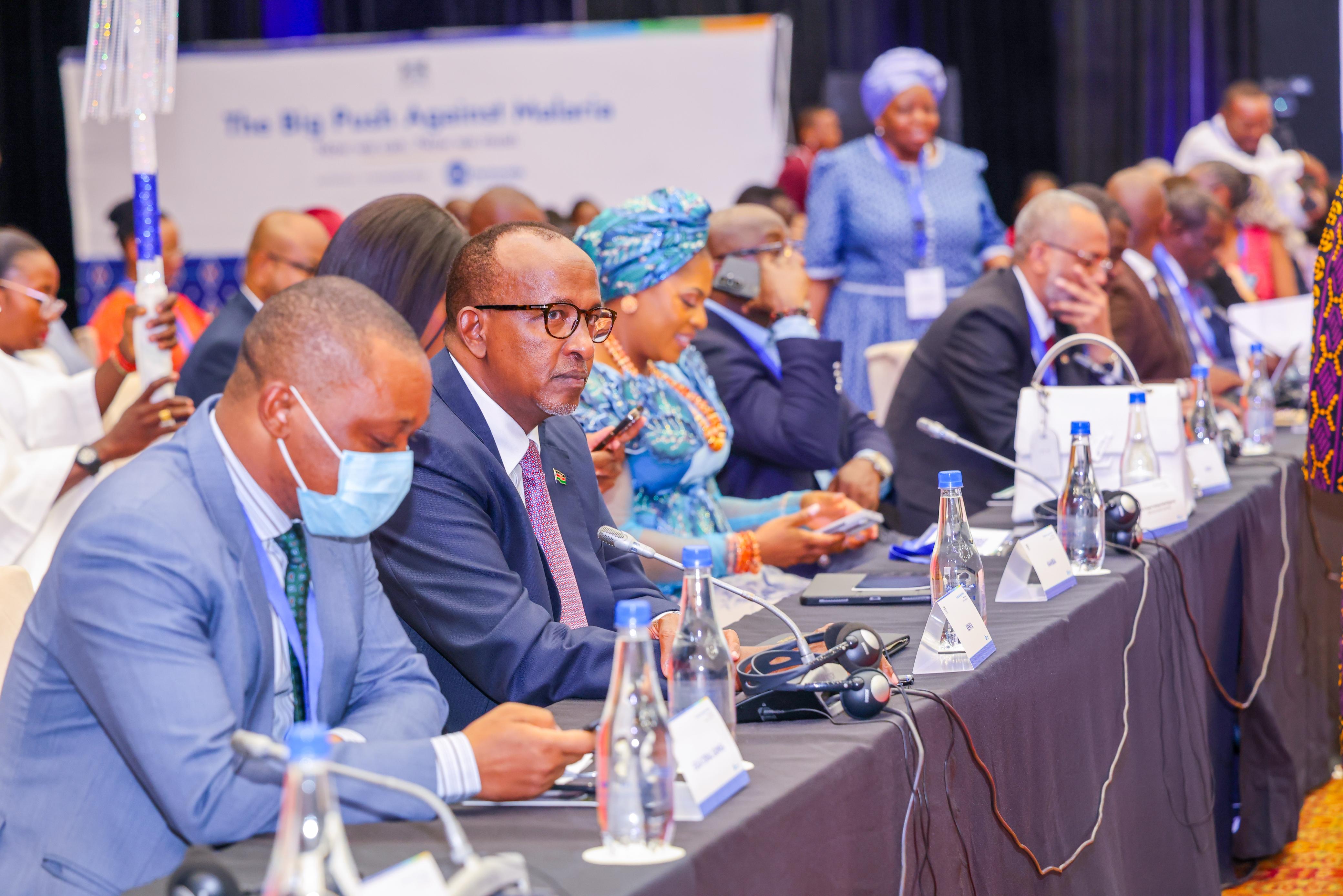
Representing H.E. President William Ruto at the High-Level Dialogue on Malaria Elimination in Gaborone, Botswana, Cabinet Secretary for Health Hon. Aden Duale called on African governments to translate political commitments into concrete action through sustained investment in malaria prevention, diagnosis and treatment. He warned that declining external financing threatens progress made across the continent and underscored the need for greater African ownership of malaria elimination efforts.
Highlighting Kenya’s progress, the Cabinet Secretary reported a 34 per cent reduction in confirmed malaria cases, from 5.54 million in 2023 to 3.64 million in the year ending
. Malaria incidence among children under five also declined from 194 to 119 cases per 1,000 population. Despite these gains, Kenya faces significant financing challenges, requiring KSh 17.7 billion annually to implement its malaria strategy against KSh 2.66 billion available this financial year, representing an 85 per cent funding gap.
Hon. Duale outlined Kenya’s efforts to integrate malaria prevention and treatment into Universal Health Coverage reforms through strengthened primary healthcare networks, Community Health Promoters and real-time digital surveillance. He also highlighted measures to address emerging antimalarial drug resistance through multiple first-line treatment options and strengthened pharmacovigilance. On local manufacturing, he reaffirmed Kenya’s target of producing 50 per cent of essential health products domestically and cited Nairobi’s growing capacity to manufacture spatial repellents, which demonstrated an approximately 33 per cent reduction in malaria infections during trials. He urged development partners to prioritise quality-assured African-manufactured medicines, mosquito nets, diagnostics and other essential commodities.
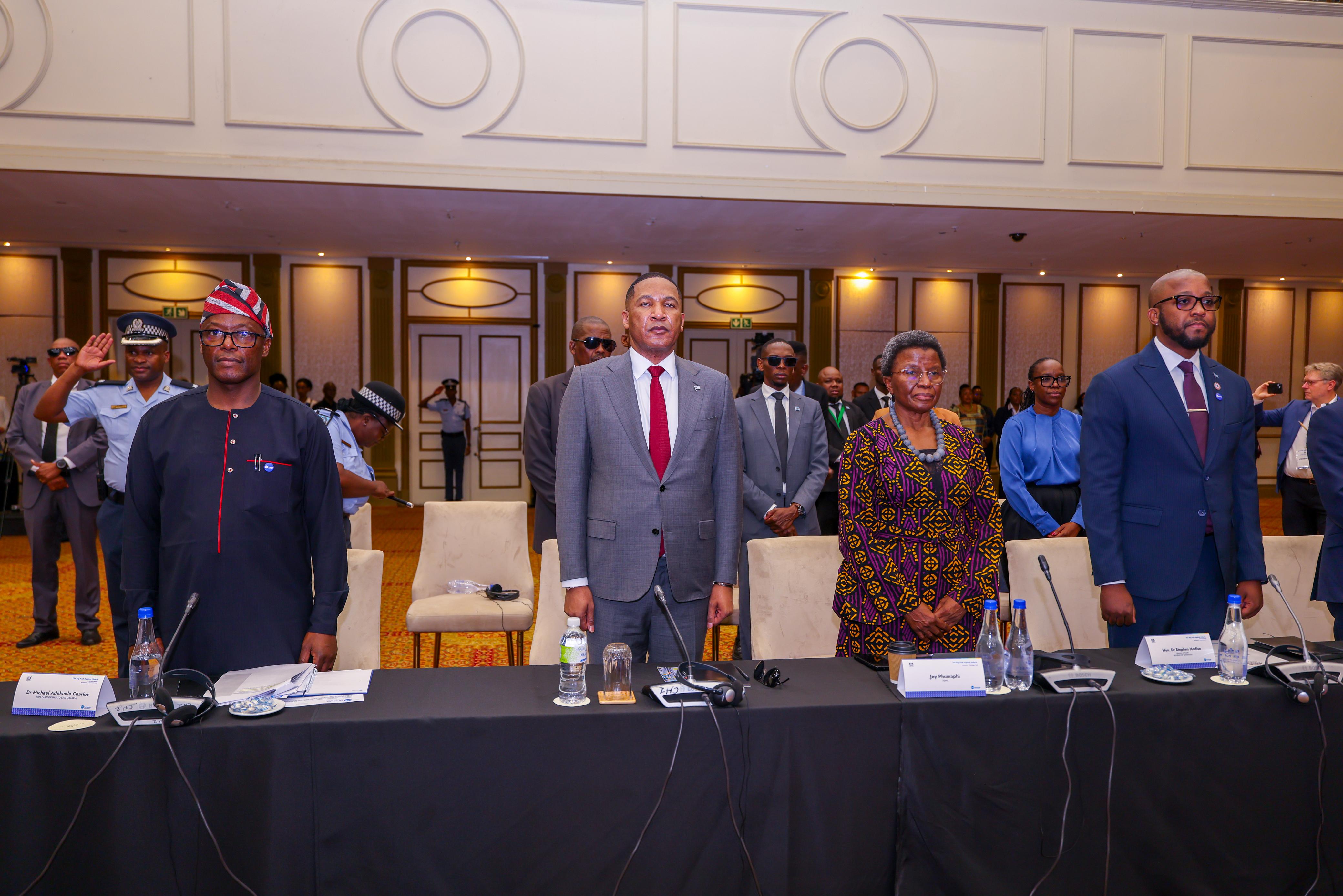
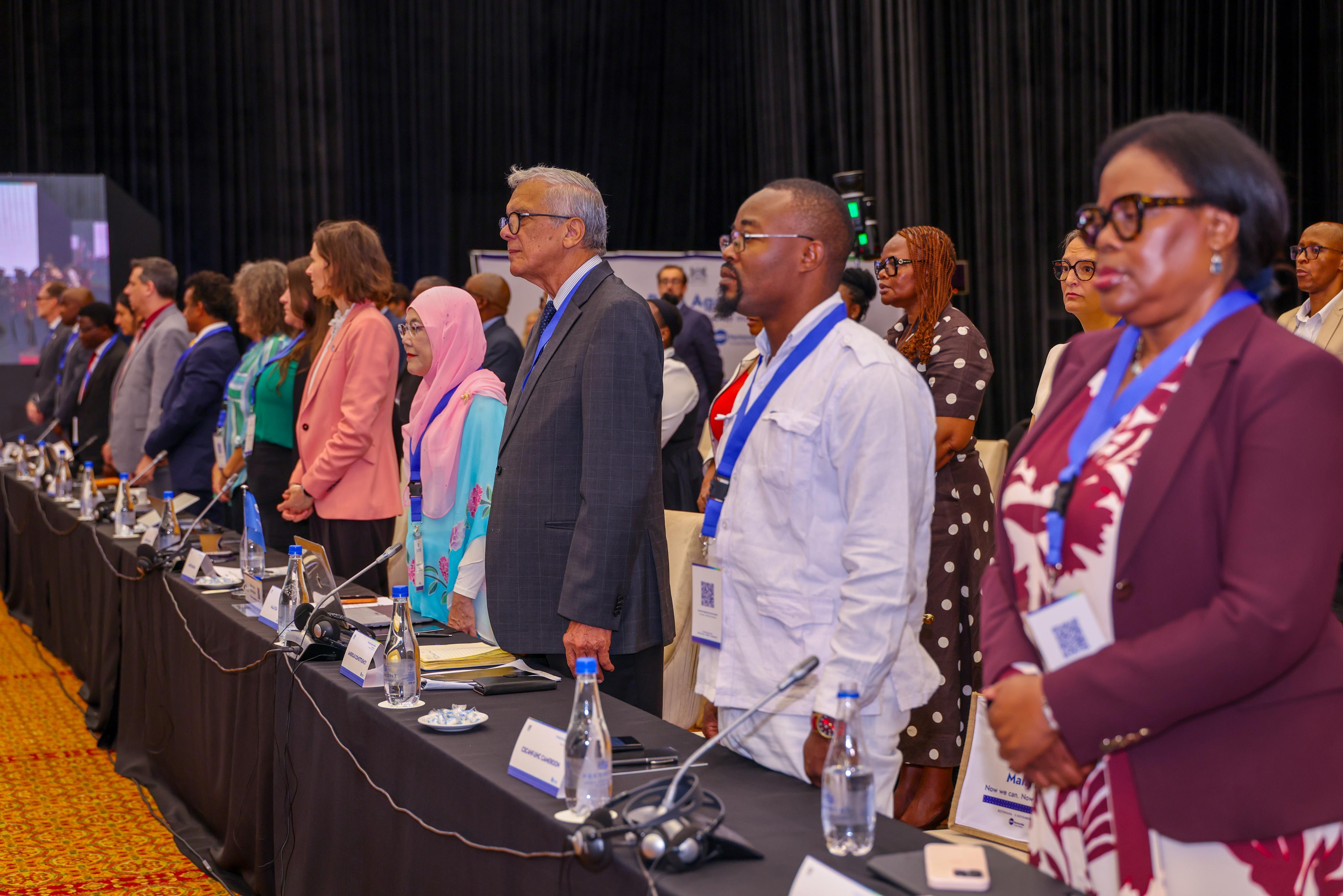
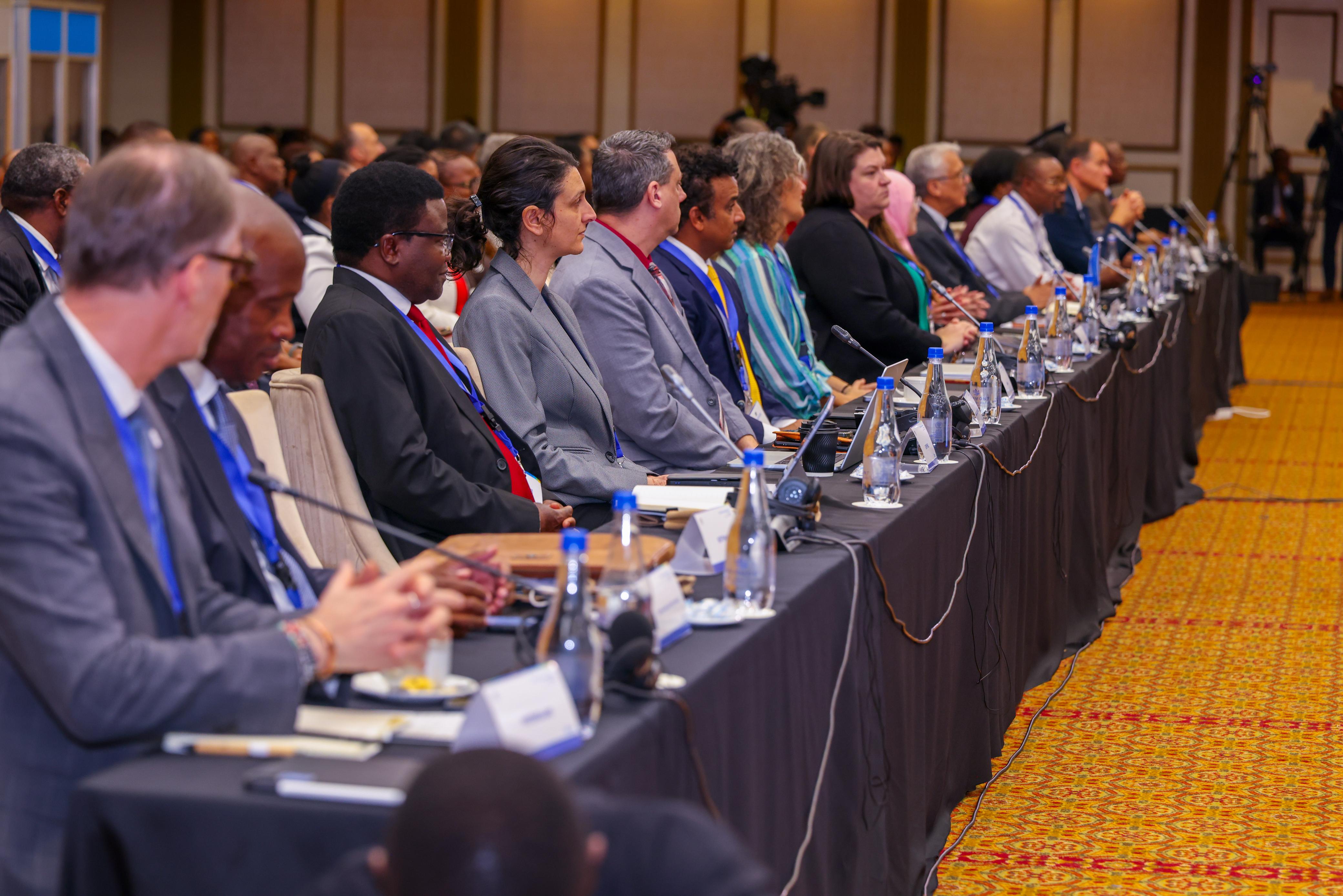
Recognising the cross-border nature of malaria transmission, the Cabinet Secretary called for stronger regional surveillance, information sharing and coordinated prevention efforts among East African Community partner states, citing Kenya’s joint surveillance initiatives with Uganda. The dialogue, convened alongside the 36th Board Meeting of the RBM Partnership to End Malaria under the chairmanship of Botswana President H.E. Duma Gideon Boko, brought together RBM Partnership CEO Dr. Michael Adekunle Charles, Global Fund Executive Director Peter Sands and Health Ministers from Botswana, Namibia, Sudan, Equatorial Guinea and Angola. Hon. Duale was accompanied by Kenya’s High Commissioner to Botswana, Amb. Sabdiyo Dido.