
Kenya Engages Gavi Board to Strengthen Immunisation Systems and Expand Vaccine Access
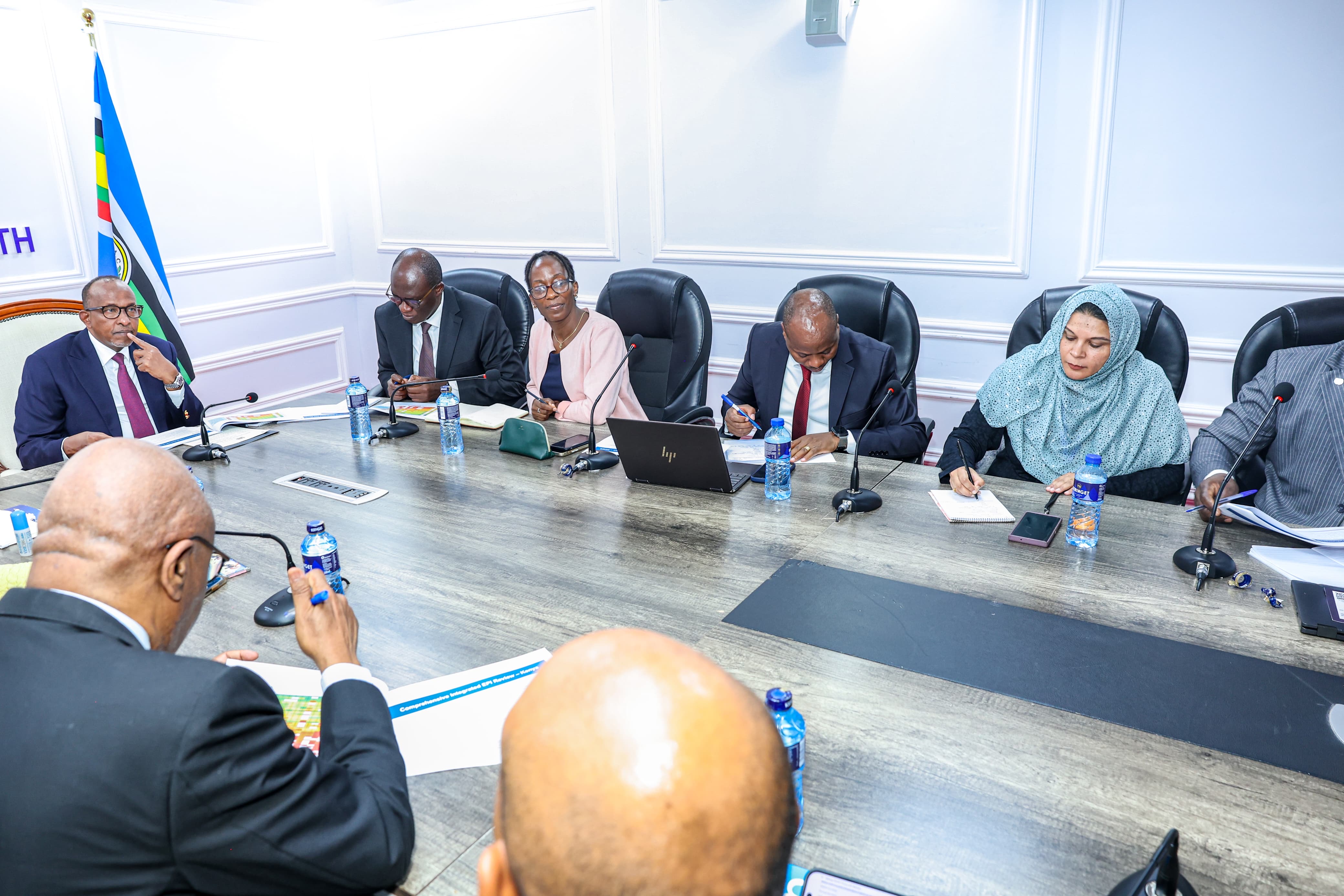
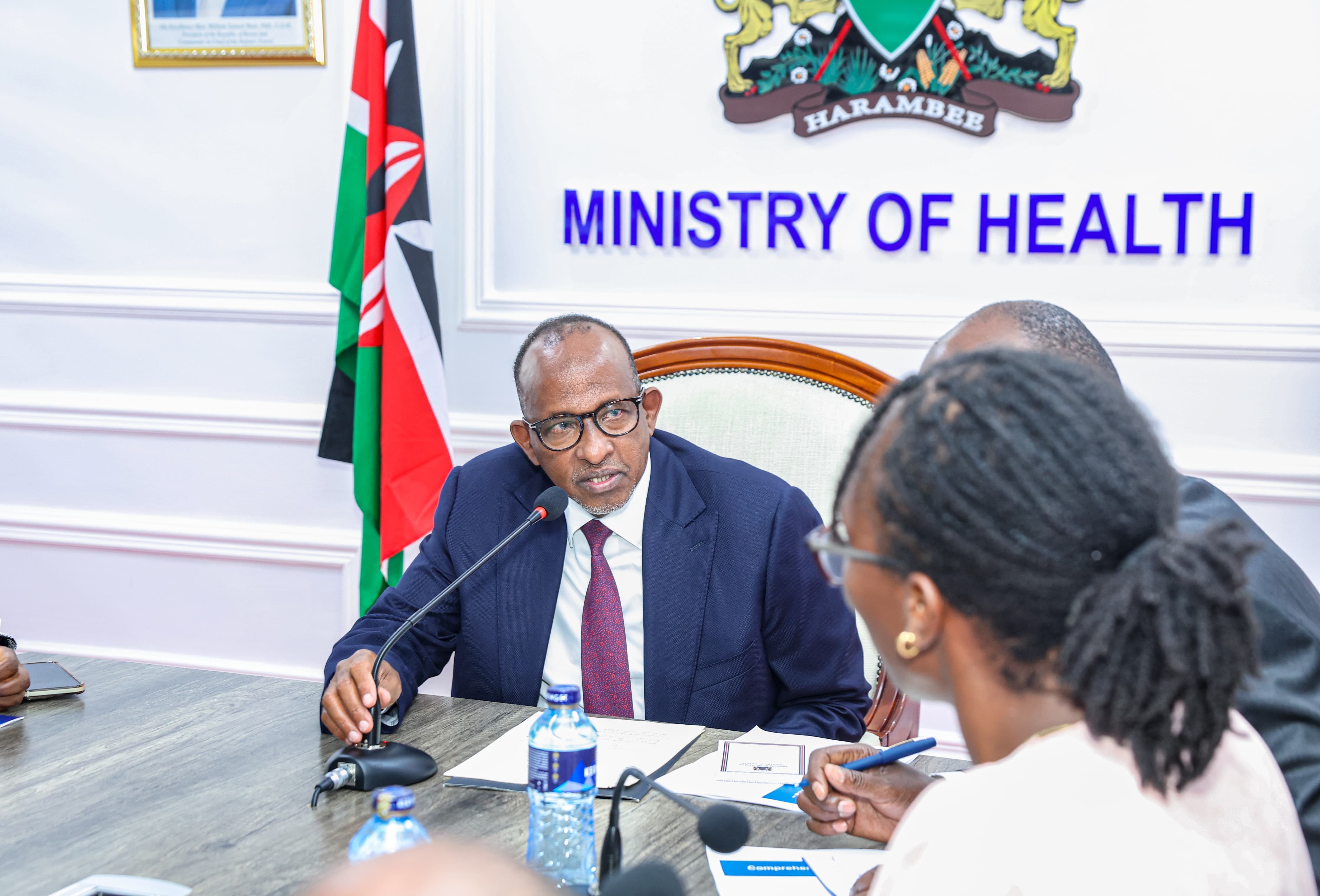
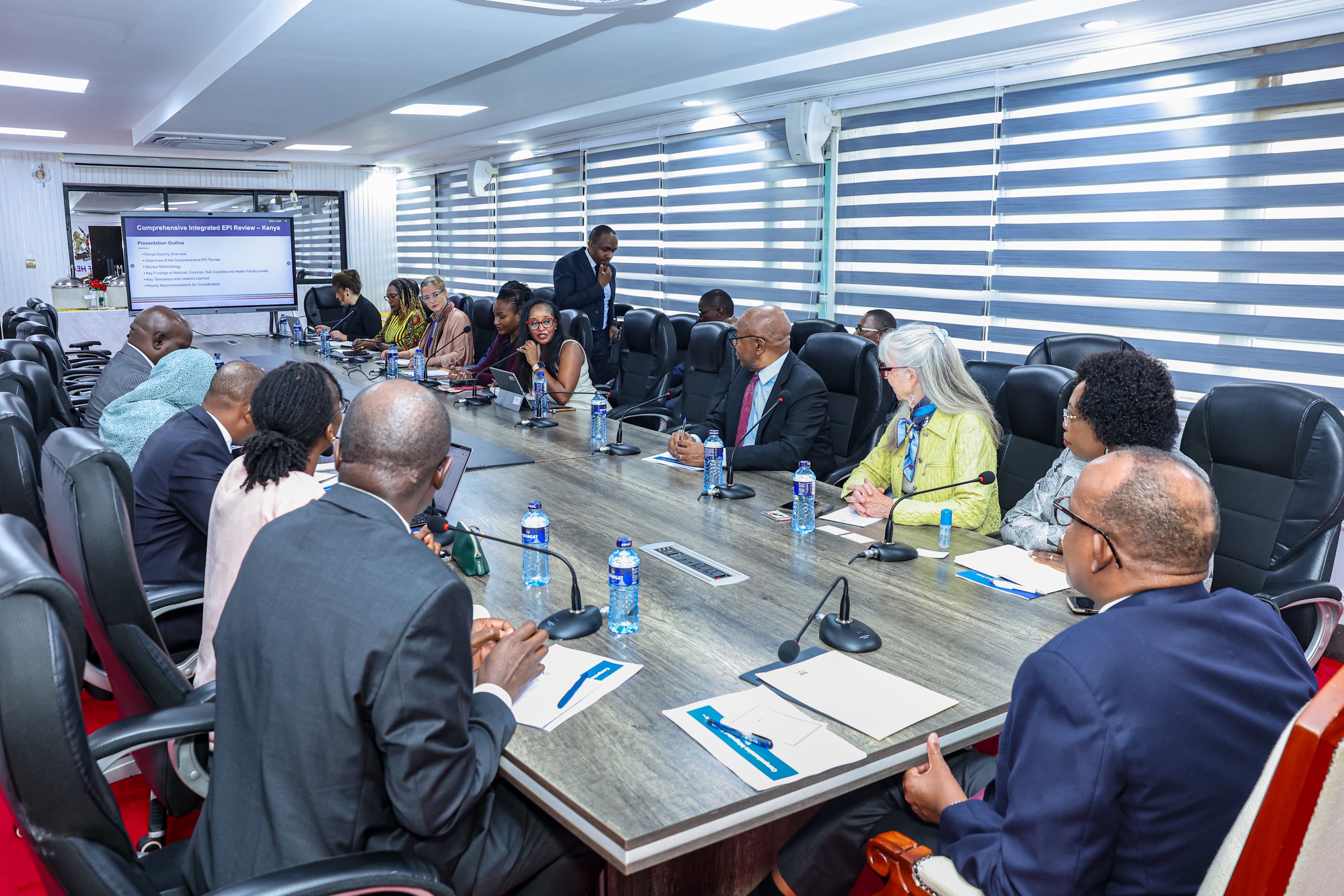
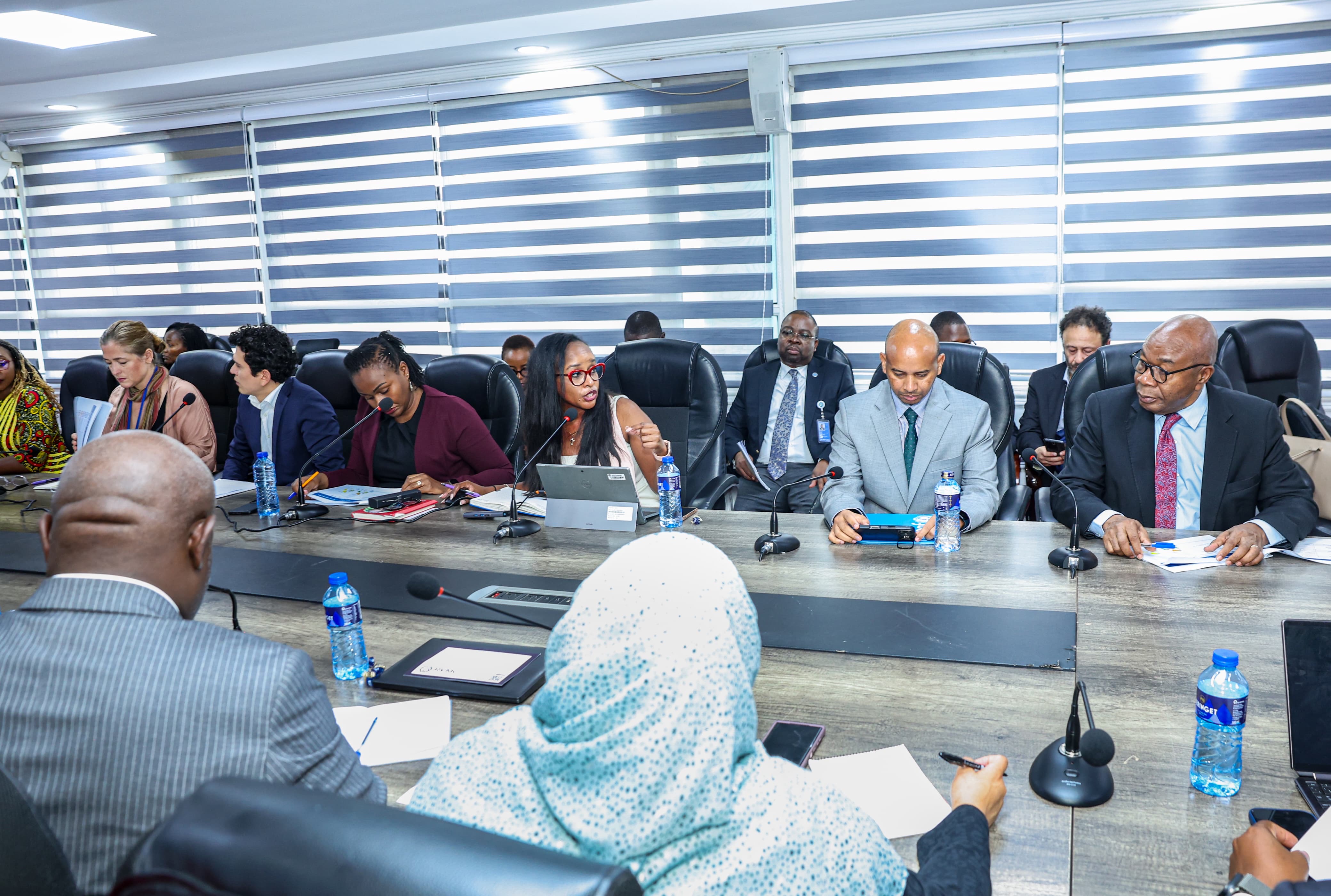
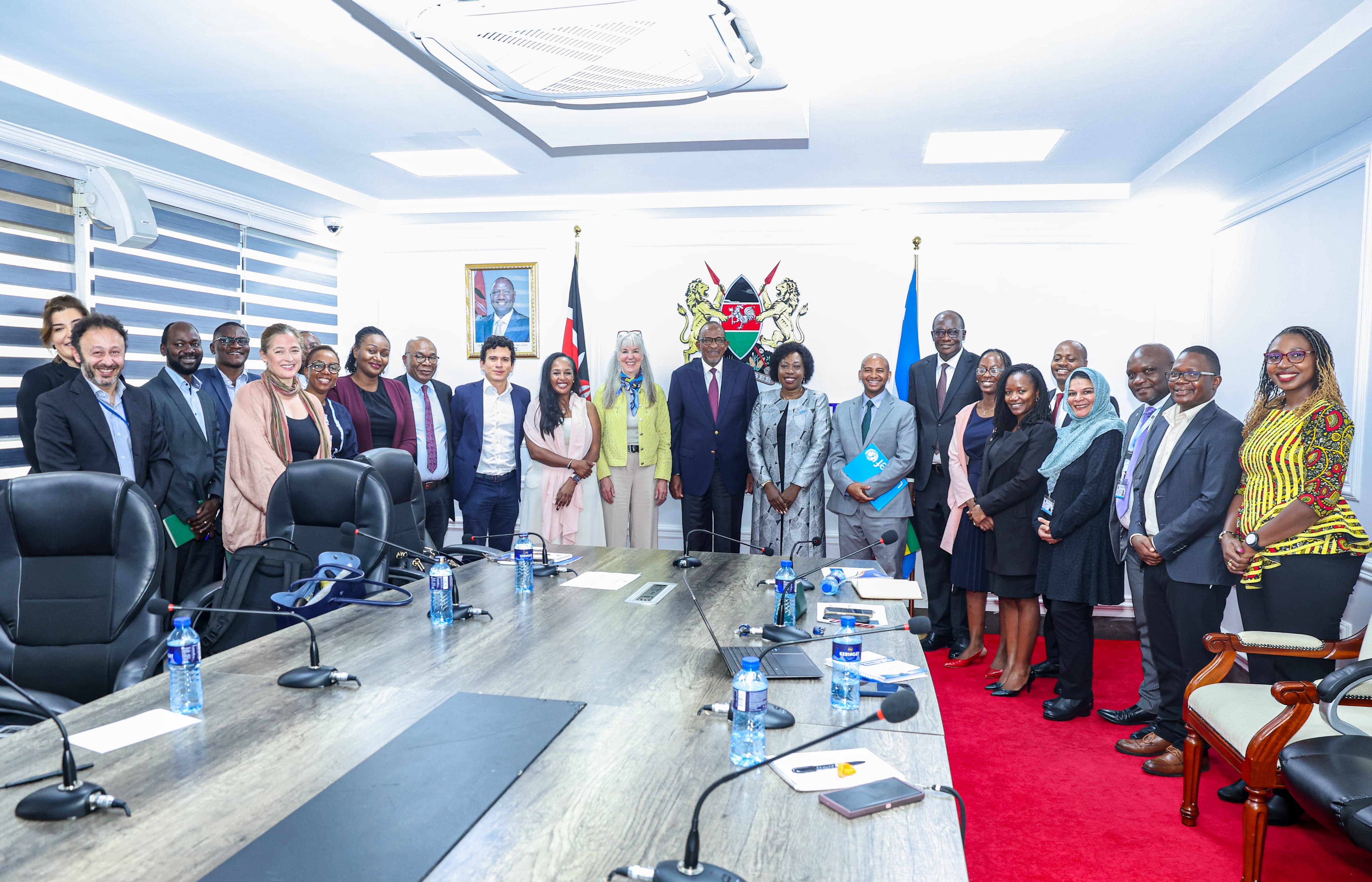
Nairobi, Kenya - - Kenya convened a high-level dialogue between the Ministry of Health and the Board of Gavi, the Vaccine Alliance, bringing together senior representatives from global and regional immunisation partners to advance equitable access to vaccines and strengthen resilient immunisation systems.
The discussions were anchored on the ongoing 2026 Comprehensive Expanded Programme on Immunisation (EPI) Review, a critical assessment aimed at informing future strategy and improving service delivery. Cabinet Secretary for Health Aden Duale commended Gavi and its partners for sustained technical and strategic support, noting their continued role in safeguarding child health across the country.
The CS observed that the review comes at a pivotal moment as Kenya aligns its immunisation priorities with Immunisation Agenda 2030 and the Sustainable Development Goals. He emphasised the government’s commitment to closing equity gaps and ensuring that no child is left behind, regardless of geography or circumstance.
Kenya has made notable progress in recent years, including the introduction of new vaccines such as HPV, malaria, and typhoid conjugate vaccines, alongside improvements in delivery systems that have enhanced child health outcomes. However, recurring outbreaks such as cholera and polio continue to underscore the need for stronger surveillance, improved preparedness, and sustained investment in resilient health systems.
The engagement also highlighted ongoing health sector reforms, particularly the shift toward integrated and digital service delivery through the Social Health Authority and the Taifa Care platform. These reforms are strengthening real-time data use, improving accountability, and enhancing evidence-based decision-making, including in immunisation coverage tracking.
As Kenya moves closer to transitioning from Gavi support, the Cabinet Secretary underscored the importance of a carefully managed process that safeguards existing gains while progressively strengthening domestic vaccine financing. He noted that continued collaboration with partners will remain essential during this transition period.
Preliminary findings from the EPI Review, including insights from Nairobi, Mombasa, Marsabit, and West Pokot counties, will inform the development of Kenya’s next National Immunisation Strategy (2025–2030), with emphasis on translating evidence into action to improve service delivery and expand equitable access to life-saving vaccines.
The meeting was attended by Director-General for Health Patrick Amoth, Kate O’Brien of the World Health Organization, Ephreim Lemango of UNICEF, and Neema Kimambo, among other partners.