
Kenya Scales Up Eye Health Services in Three Counties
Kenya is expanding eye health services in Mombasa, Nakuru and Kakamega counties to improve early screening, referral, treatment and follow-up care within communities and schools.
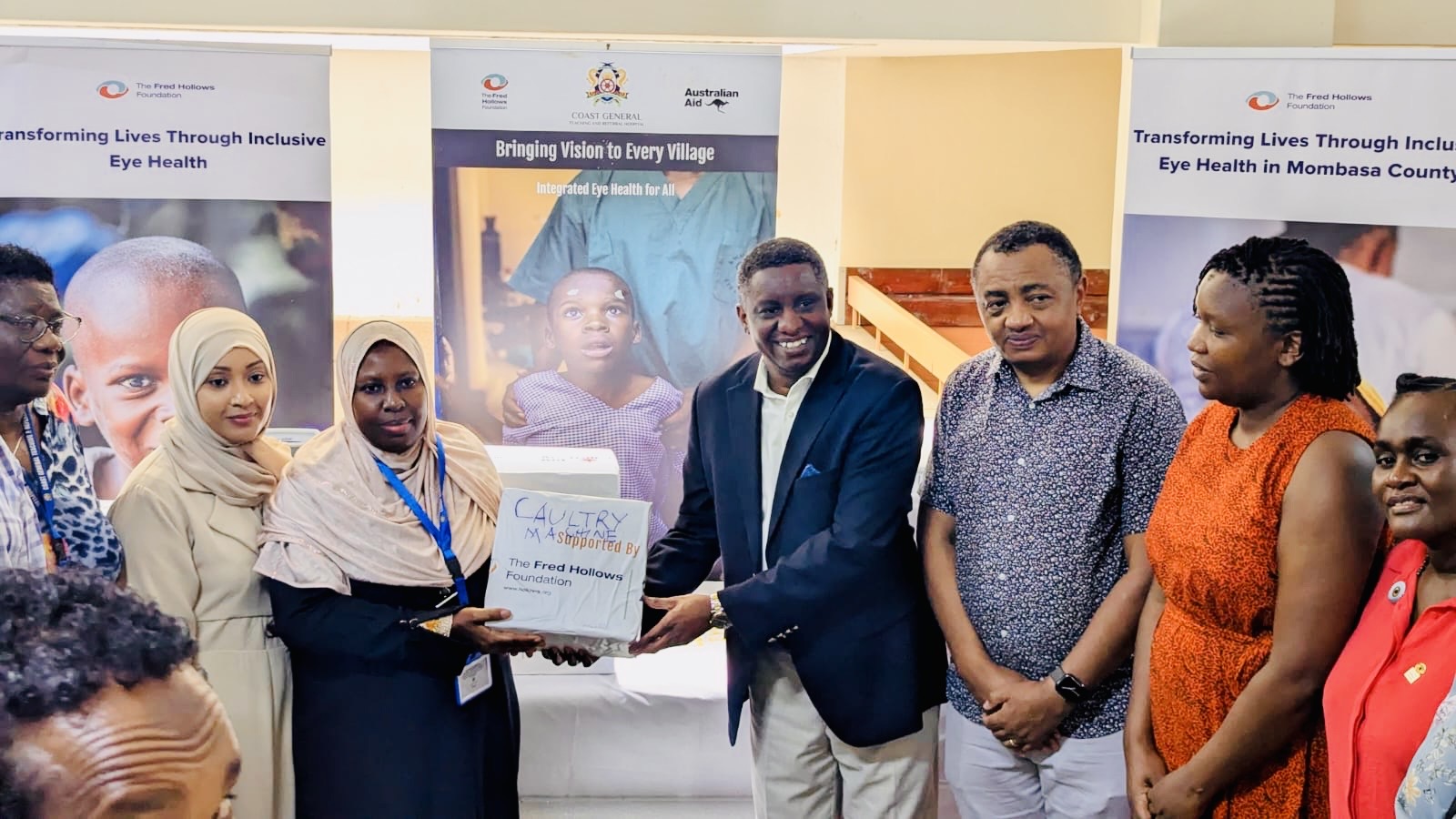
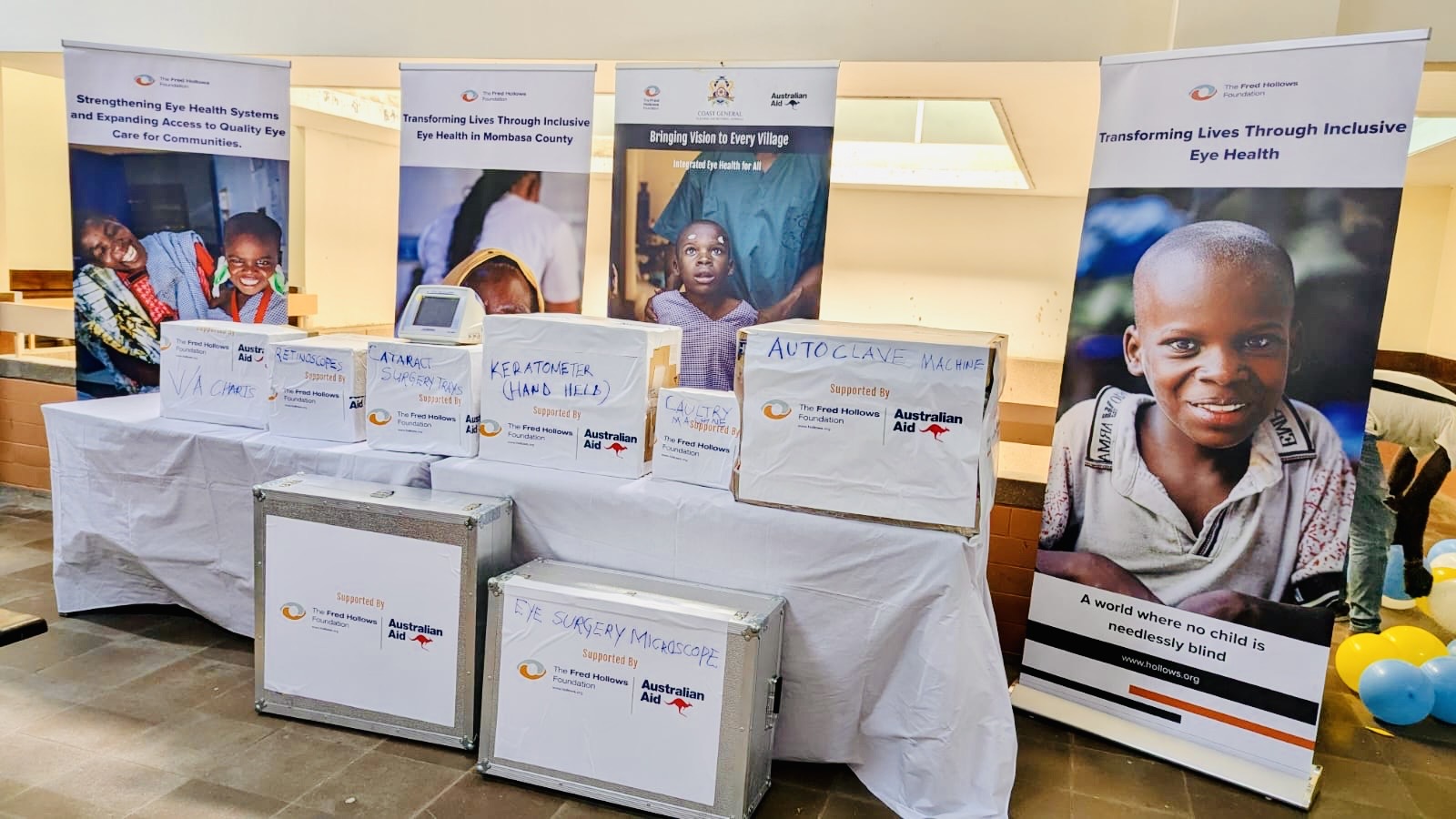
The expansion is being supported through Phase Two of the CBM Vision Impact Scale-Up Project and The Fred Hollows Foundation’s Mombasa Eye Health Project. The two initiatives will bring specialised care closer to communities and strengthen efforts to prevent avoidable visual impairment.
Director of Curative and Nursing Services Dr Andrew Toro said approximately 200,000 Kenyans are blind, while 1.5 million live with significant visual impairment. Up to 80 per cent of visual impairment is preventable or treatable, while an estimated 9.6 million people are affected by uncorrected refractive errors.
Dr Toro said the projects support Universal Health Coverage and the National Eye Health Strategic Plan by strengthening the health workforce, improving infrastructure and integrating eye health services into primary healthcare facilities, schools and communities.
The Ministry is establishing 315 Primary Care Networks across the 47 counties and finalising Kenya’s first National Healthcare Referral Policy. These measures will strengthen referral pathways from community and school screening to specialised treatment, rehabilitation and follow-up care.
The Ministry has also equipped and digitised 107,831 Community Health Promoters to support early detection, health education and referral at the household level. Digital tools such as PEEK Vision will enable patients to be tracked from screening to treatment and post-treatment follow-up.
Dr Toro called upon county governments to provide resources for eye, ear and hearing care commodities, equipment maintenance and workforce requirements through their development plans and annual budgets.
CBM Director for Inclusive Health Dr Babar Qureshi was the Chief Guest. Also present were representatives from CBM, The Fred Hollows Foundation, the Ministry of Education, the National Council for Persons with Disabilities, the Kenya Institute of Special Education, the Council of Governors, county governments, development and implementing partners, and healthcare workers.