

Kenya and United Nations Strengthen Partnership to Advance Universal Health Coverage and Health Security
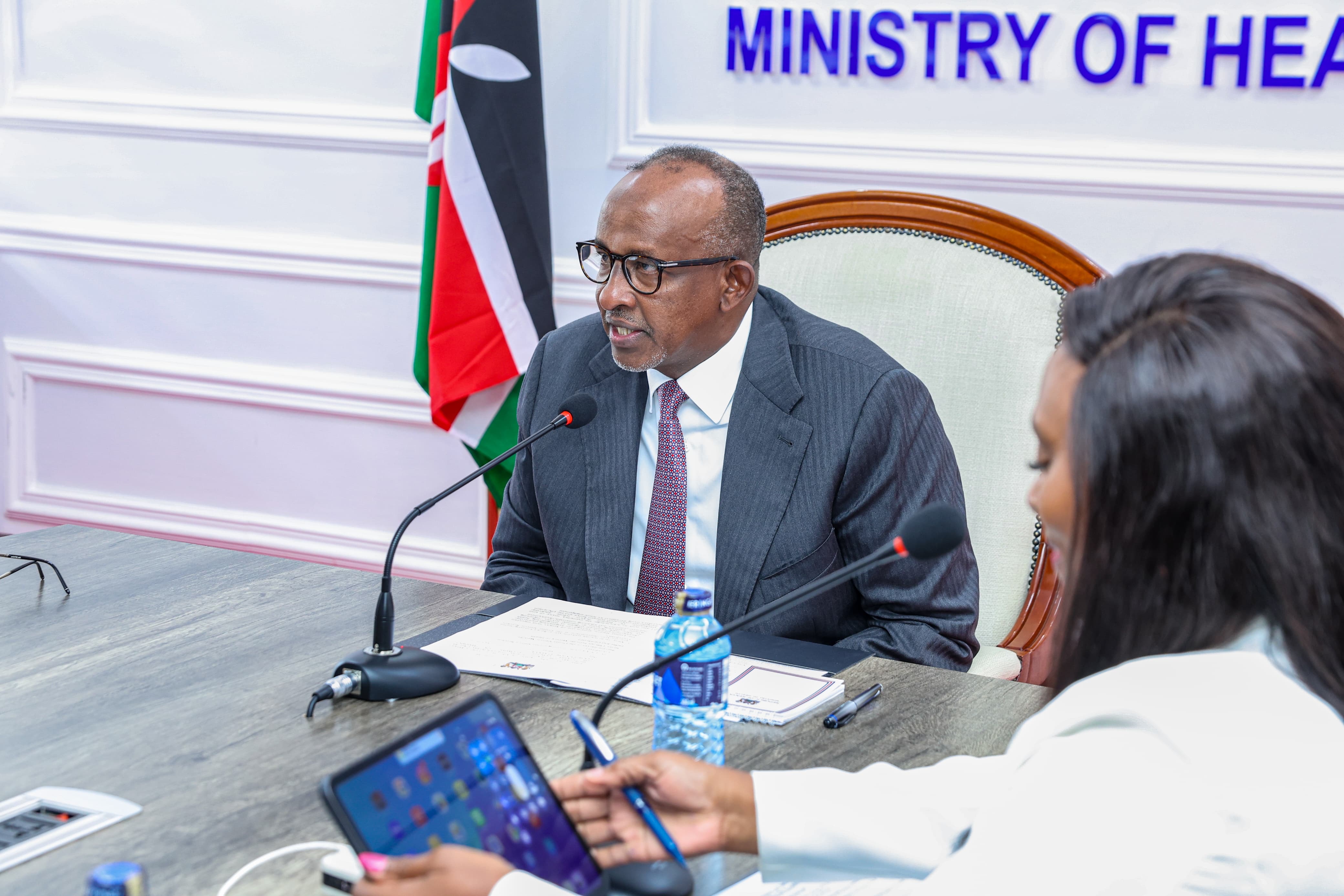
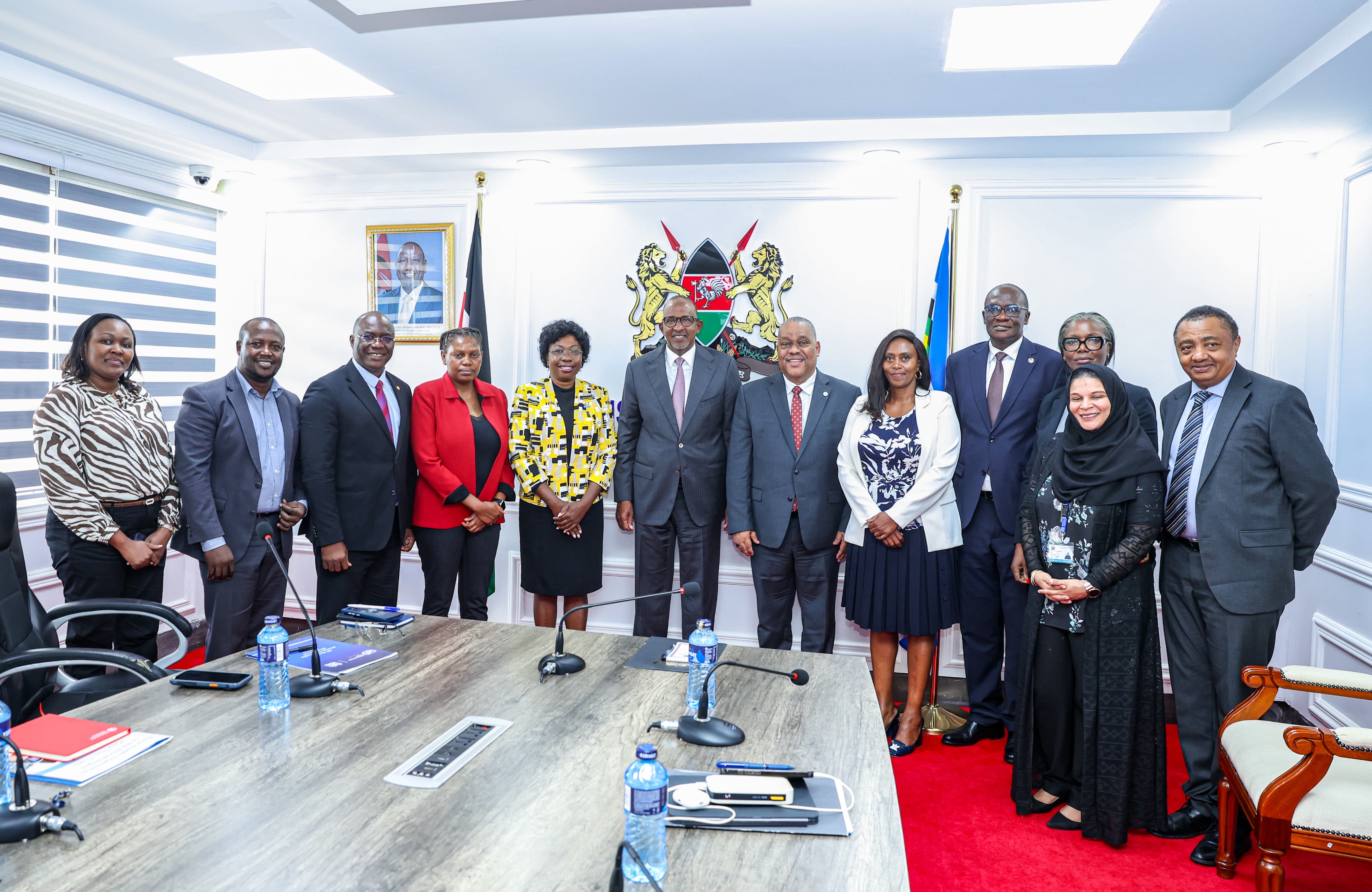
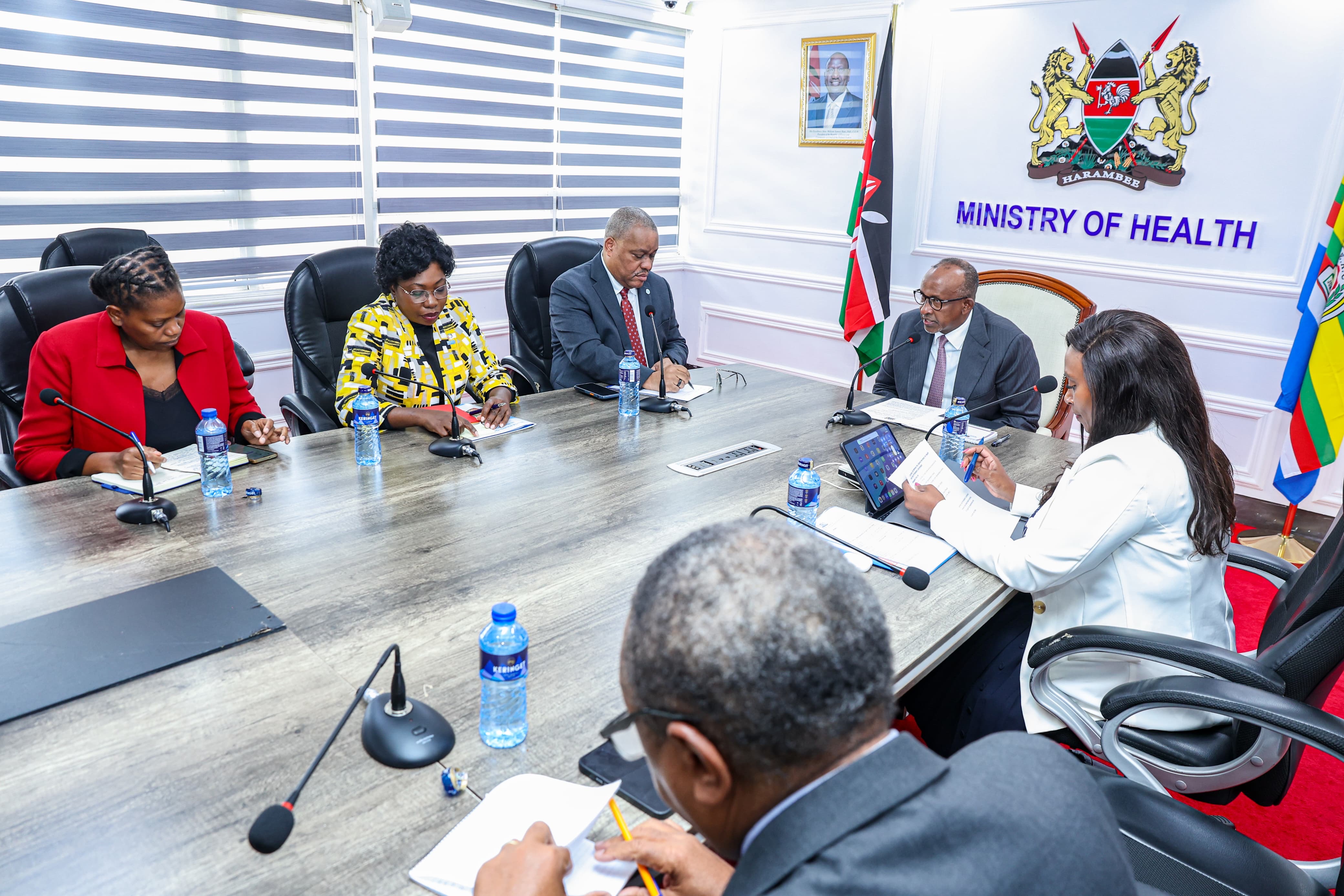
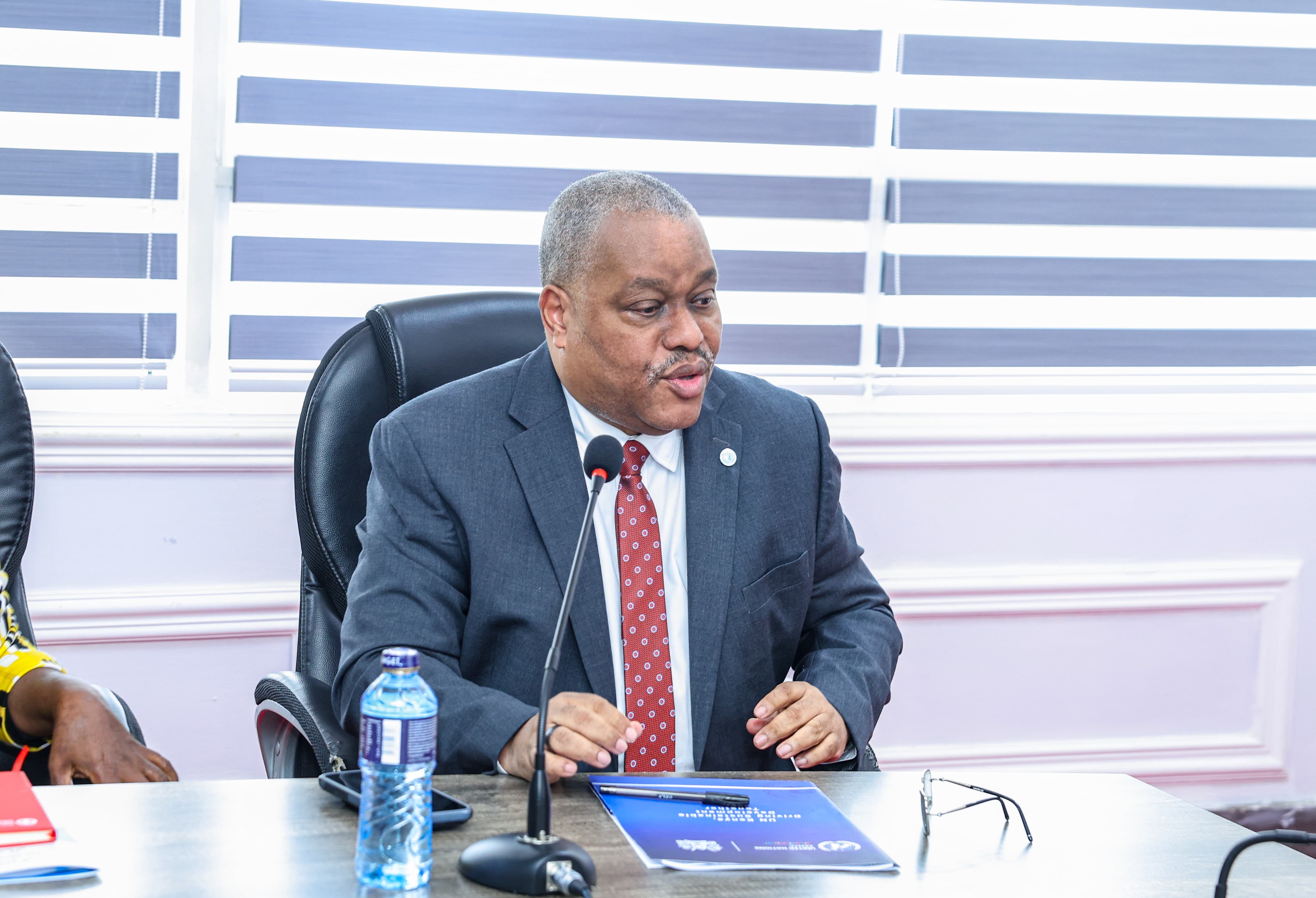
Nairobi, Kenya - - Kenya and the United Nations have reaffirmed their commitment to strengthening health systems and accelerating progress towards Universal Health Coverage (UHC) following a high-level meeting between Cabinet Secretary for Health Hon. Aden Duale and the newly appointed United Nations Resident Coordinator, Dr. Garry Conille.
The meeting reviewed ongoing areas of collaboration and explored strategic interventions to support the delivery of quality, accessible, and equitable healthcare services across the country.
A key area of focus was maternal and newborn health, with the Cabinet Secretary highlighting the Government’s commitment to reducing preventable maternal and newborn deaths through the recently launched Every Woman Every Newborn Everywhere (EWENE) Acceleration Plan. The initiative aims to expand access to skilled care and quality health services, particularly in underserved communities.
Discussions also centred on strengthening community health systems and enhancing the implementation of Reproductive, Maternal, Newborn, Child and Adolescent Health (RMNCAH) programmes to improve health outcomes and expand access to essential services for vulnerable populations.
The two leaders underscored the importance of sustaining routine immunization programmes and expanding vaccine access, especially in remote and hard-to-reach areas, as part of efforts to protect communities against vaccine-preventable diseases.
The meeting further addressed the growing burden of non-communicable diseases, including cancer, diabetes, cardiovascular diseases, and mental health conditions. Emphasis was placed on strengthening prevention, early detection, treatment, and long-term management of these conditions within county health systems.
On health security, the discussions reviewed Kenya’s preparedness for Ebola and other emerging public health threats. Both parties reaffirmed the importance of strong disease surveillance systems, effective border health services, and robust emergency response mechanisms to safeguard public health.
The impact of climate change on health was also highlighted, with recognition of the need to build resilient health systems capable of responding to climate-related shocks, disease outbreaks, food insecurity, population displacement, and disruptions to healthcare services.
Cabinet Secretary Duale noted the progress achieved through ongoing health sector reforms, including the registration of more than 31.5 million Kenyans under the Social Health Authority (SHA), reflecting growing uptake of the country’s healthcare financing reforms. He also highlighted the role of the Digital Health Agency (DHA) in driving digital transformation to improve efficiency, transparency, accountability, and continuity of care.
The Cabinet Secretary reaffirmed Kenya’s commitment to strengthening collaboration with the United Nations and other development partners in advancing national health priorities, building resilient health systems, and ensuring that no one is left behind in the pursuit of better health outcomes.